Oil Surges After U.S.-Iran Talks Fail; Energy Stocks Rally Globally
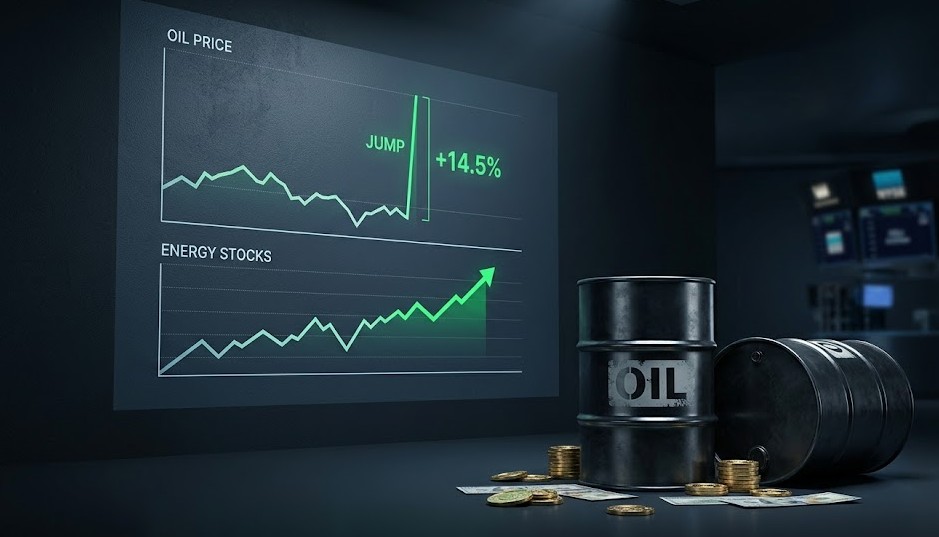
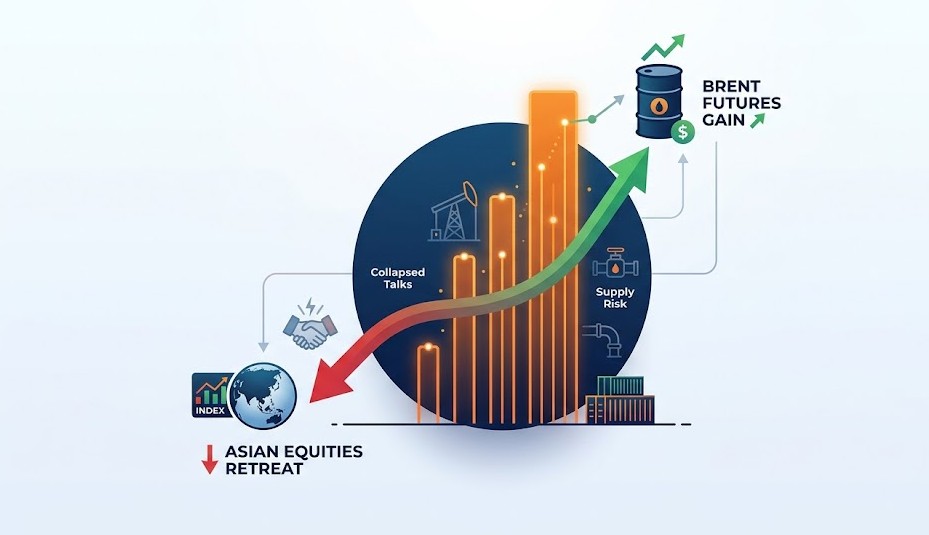
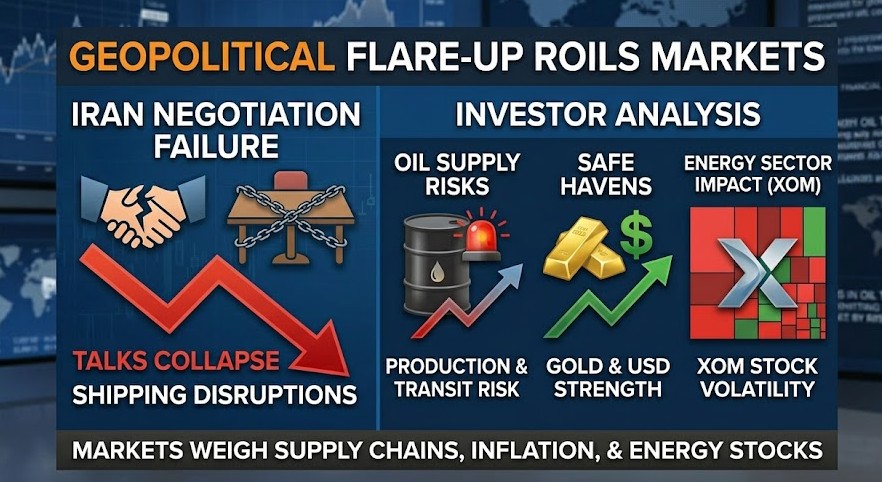
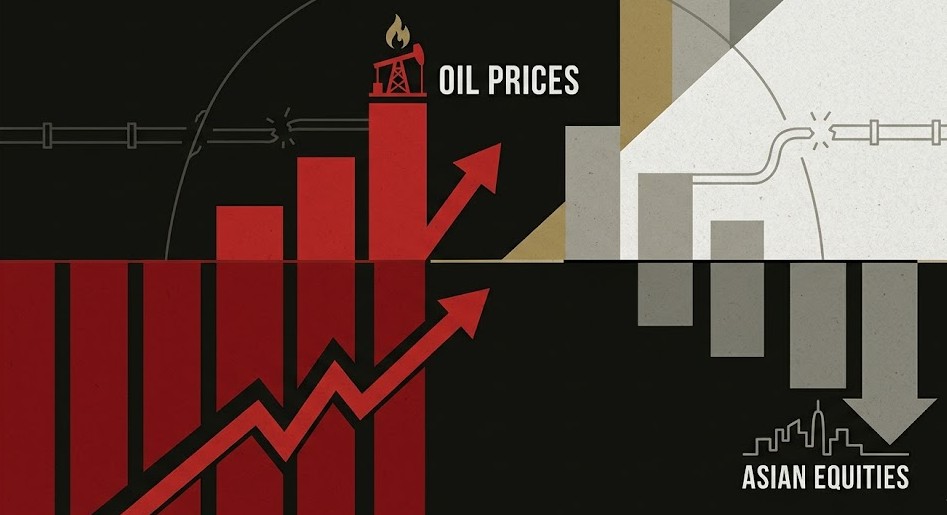
Oil prices climbed sharply after weekend talks
between the United States and Iran collapsed, reviving investor concerns about
potential supply disruptions and a broader Middle East escalation. The
development pushed energy shares higher in early trading while Asian equities
declined amid heightened risk aversion.
Company
Background and Recent Performance
Exxon Mobil Corporation (XOM) is one of the
world’s largest publicly traded oil and gas companies, operating integrated
upstream, downstream, and chemical businesses across exploration, production,
refining, and marketing.
Over the past year, Exxon has maintained
disciplined capital allocation, returning cash to shareholders through
dividends and buybacks while directing investment toward high-return projects
and lower-emission initiatives.
Prior to the latest geopolitical developments,
Exxon shares had traded largely in line with the broader energy sector, which
benefited from stronger crude fundamentals and improved refining margins. The
company has continued to generate stable free cash flow and maintain a dividend
yield above the S&P 500 average, reinforcing its appeal as a defensive
holding during periods of oil market volatility.
Analysis of
the Current Event
The collapse of U.S.-Iran peace discussions
has reintroduced one of the energy market’s primary concerns: the risk of
supply disruption stemming from geopolitical escalation in the Middle East.
Markets reacted to the possibility that
diplomatic failure could increase tensions around key shipping lanes and
production hubs, particularly near the Strait of Hormuz. As a result, benchmark
Brent and West Texas Intermediate crude futures moved higher, while energy
stocks across global markets rallied in response to the rising geopolitical
risk premium.
For integrated energy companies such as Exxon,
higher crude prices generally support stronger upstream earnings and improved
cash flow generation. However, downstream refining margins and operational
costs can partially offset these gains.
The market continues to value Exxon for its
scale, reserve quality, financial strength, and ability to sustain shareholder
returns through varying commodity cycles. Sustained increases in oil prices
could materially improve earnings and enhance capital return flexibility.
Market
Reaction and Analyst Commentary
Market reactions were mixed across sectors and
regions. Asian equities broadly declined due to risk-off sentiment, while
energy shares outperformed as investors rotated into commodity-linked and
defensive assets.
Traders cited concerns over supply
disruptions, shipping risks, and renewed demand for safe-haven assets as key
drivers behind the move in oil prices.
Analysts covering the energy sector
acknowledged the near-term benefit to oil producers but cautioned that
geopolitical price spikes are often temporary unless supported by sustained
physical supply disruptions or extended sanctions affecting exports.
Several research firms maintained constructive
views on Exxon, highlighting the company’s strong balance sheet, resilient
dividend profile, and disciplined capital allocation strategy as reasons for
maintaining favorable ratings.
Investor
Considerations
Investors may want to reassess energy exposure
in light of increased geopolitical uncertainty. High-quality integrated oil
companies such as Exxon can serve as a hedge during periods of elevated crude
volatility, supported by dividend income and share repurchase programs.
However, geopolitical rallies can reverse
quickly if diplomatic conditions improve. Investors should define clear time
horizons and monitor catalysts that could sustain higher oil prices, including
prolonged sanctions, supply outages, or shipping disruptions in strategic
regions.
Monitoring refining economics is also
important. While upstream operations benefit from higher crude prices,
downstream profitability depends on refining margins, crack spreads, and
regional fuel demand trends.
Risk
Management and Strategy
Managing risk remains essential during periods
of heightened volatility. Investors may consider using stop-loss levels or
options strategies to protect against downside risk if geopolitical tensions
ease and oil prices retreat.
Options can also provide targeted exposure to
upside in energy stocks while limiting overall capital at risk.
Conclusion
and Forward Looking Perspective
The breakdown of U.S.-Iran peace talks has
revived a familiar dynamic in global energy markets, where geopolitical
uncertainty increases the premium on oil prices and supports energy-related
equities.
For Exxon Mobil and other integrated
producers, the immediate impact could include stronger upstream cash flow and
greater financial flexibility. However, the sustainability of any rally will
depend on whether tensions lead to meaningful supply disruptions or policy
escalation.
Investors should focus on high-quality energy
companies with strong balance sheets, reliable cash generation, and disciplined
capital allocation strategies while maintaining a measured approach to tactical
positioning.
Oil prices rose on renewed geopolitical supply
concerns following the collapse of U.S.-Iran peace talks, boosting energy
shares and increasing market volatility.