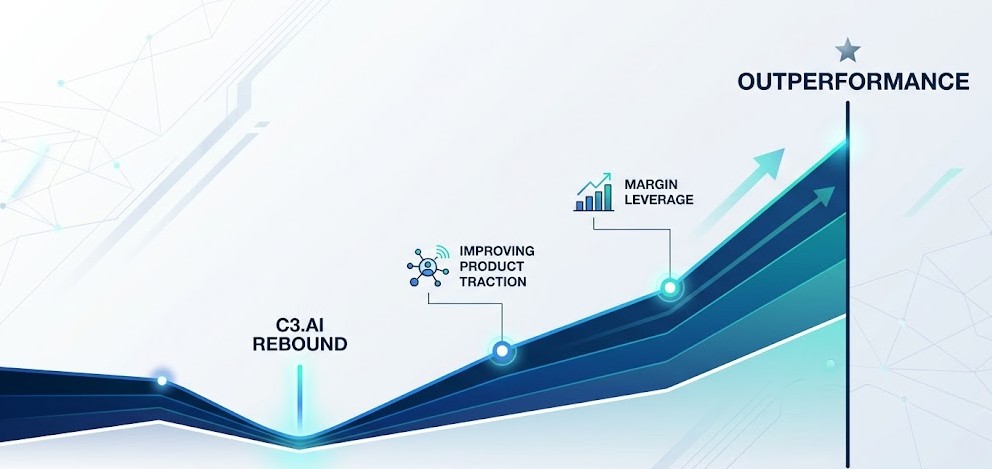
C3.ai Seen Rebounding: Why AI Stock Could Outperform S&P by 2027
Shares of C3.ai (AI) have attracted renewed
investor attention following a prolonged selloff in AI-related stocks, as
market participants reassess the company’s long-term growth outlook and margin
potential. The shift is significant because it reflects a rotation back into
oversold software names and could position C3.ai for potential outperformance
versus the S&P 500 through 2027.
Company
Background and Recent Performance
C3.ai was founded to commercialize enterprise
artificial intelligence applications and has positioned itself as a pure-play
AI software provider serving industries such as energy, manufacturing,
financial services, and government.
Following its public debut and early growth
phase, the stock experienced substantial volatility as investor sentiment
toward AI companies shifted and concerns emerged around enterprise spending
durability.
Over the past two years, shares declined
significantly from earlier highs as investors reassessed growth expectations.
In response, management shifted focus from aggressive top-line expansion toward
sustainable margins, customer retention, and recurring revenue generation.
The company’s platform strategy centers on
model-driven enterprise AI applications designed to reduce deployment times and
move customers from pilot programs to full-scale production workloads.
Management has emphasized longer-term commercial agreements and expanding use
cases within existing accounts to improve recurring revenue stability and
operational leverage.
Why the
Current Narrative Matters
The recent narrative surrounding potential
outperformance by 2027 is driven by two key developments.
First, investors are beginning to reprice
AI-focused software companies following the broader sector correction. Second,
C3.ai has shown improving operational indicators, including stronger customer
retention and a growing pipeline of production-level deployments.
For a company whose valuation depends heavily
on future growth potential, clearer evidence of commercialization can
materially improve investor confidence and alter the risk-reward profile.
The broader selloff in software and AI stocks
also created a lower valuation base, allowing companies with improving
fundamentals and tighter cost discipline to benefit disproportionately if
sentiment stabilizes.
Market
Reaction and Analyst Commentary
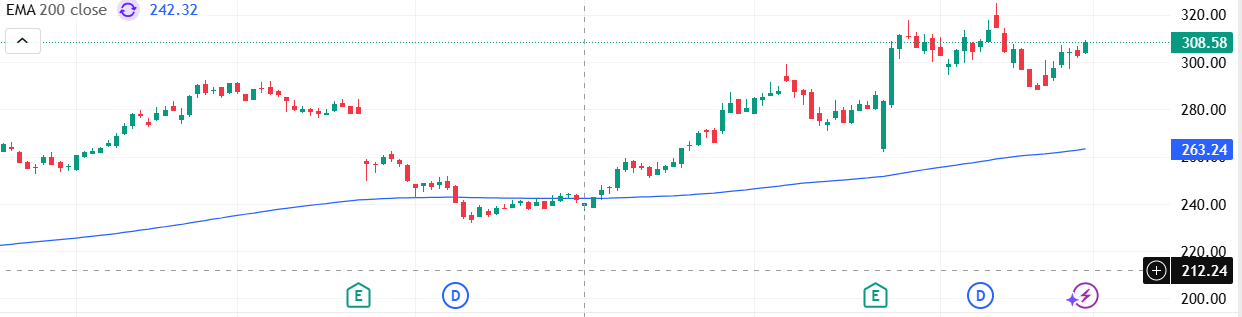
Markets responded to the renewed optimism with
increased trading activity and gains in the stock price, driven in part by
short covering and renewed momentum interest in beaten-down technology names.
Analysts who were previously cautious continue
to point to risks such as customer concentration, execution challenges, and
long enterprise sales cycles. However, some now acknowledge that improving
customer retention and larger recurring engagements could support future margin
expansion and stronger free cash flow generation.
Wall Street sentiment remains mixed. Some
firms have become more constructive on bookings and profitability trends, while
others remain cautious pending more consistent quarterly execution and revenue
performance.
What
Investors Should Watch
Investors evaluating C3.ai should focus on
several operational indicators over the coming quarters.
Key metrics include renewal rates, average
contract values, recurring revenue growth, and operating margin trends. These
figures will help determine whether the company is successfully converting
pilot projects into long-term commercial deployments.
Free cash flow performance will also be
important, as improving cash generation would strengthen the case for
sustainable profitability.
Risk
Management and Positioning
The investment thesis for C3.ai is inherently
long term and tied to outcomes over the next several years rather than
short-term trading moves.
Given the company’s history of volatility and
execution risk, investors may consider phased entries, diversified position
sizing, or hedging strategies to manage exposure.
Upcoming catalysts include quarterly earnings
results, guidance updates, enterprise customer wins, and evidence of continued
margin improvement.
Valuation should also be viewed relative to
enterprise software peers with similar growth and profitability profiles.
Forward
Looking Perspective
The renewed optimism around C3.ai is
increasingly based on operational execution rather than speculative AI
enthusiasm. If the company can continue converting pilots into paid
deployments, deepen customer relationships, and improve profitability, it could
potentially outperform broader equity benchmarks over time.
However, achieving that outcome depends on
consistent execution in a competitive environment characterized by long sales
cycles and evolving enterprise spending trends.
Conclusion
C3.ai’s recent recovery reflects a broader
reassessment of oversold AI software companies and growing confidence in its
commercial traction and margin potential.
The company remains exposed to execution and market risks, but if it can demonstrate stronger recurring revenue, operational discipline, and sustained margin improvement, its current valuation could represent a meaningful long-term opportunity for investors.